Virgin vs. Recycled Plastics: How Smart Material Choices Drive Cost, Performance, and Sustainability in Industrial Packaging
Feb 12,2026 | X-INDUSTECH
As manufacturers face rising cost pressure and growing sustainability expectations, material selection has become a strategic decision—especially in industrial packaging. Whether a container is made from virgin resin, recycled material, or a blended compound directly impacts performance, cost structure, and environmental footprint.
Understanding the differences between these materials is essential for supply chain leaders seeking both operational efficiency and long-term competitiveness.
This article explains how recycled and virgin plastic materials differ, how they affect packaging performance, and how X-INDUSTECH helps customers make the right choice based on real operational needs.
What Are Virgin Plastic Resins and Recycled Plastic Resins?
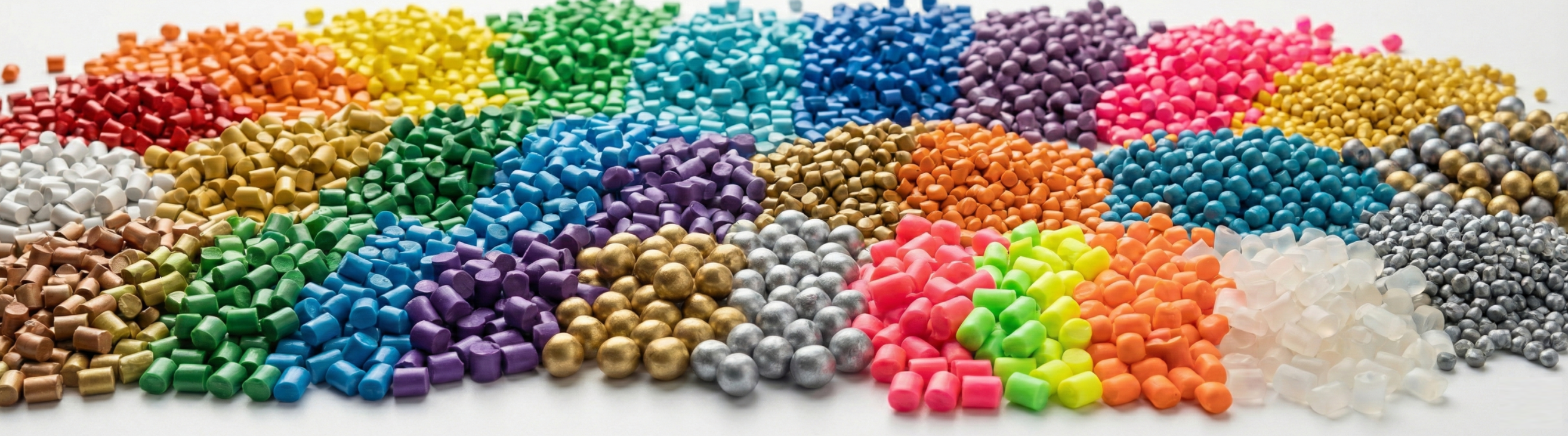
Virgin Plastic Resin (Primary Material)
Virgin plastic resin refers to plastic pellets produced directly from petrochemical raw materials, without any prior use or recycling. These resins are manufactured under tightly controlled conditions, resulting in:
- Highly consistent material properties
- Stable mechanical strength
- Predictable processing behavior
- Excellent surface quality
Virgin resins are typically used in applications that require high precision, strict tolerance control, and maximum durability.
Recycled Plastic Resin (Regrind / Recycled Material)
Recycled plastic resin is produced by collecting, sorting, cleaning, and reprocessing post-industrial or post-consumer plastic waste. After crushing, melting, and pelletizing, the material can be reused in new products.
Compared to virgin resin, recycled material often shows:
- Greater variation in physical properties
- Slightly lower impact resistance
- Less uniform appearance
- Higher dependence on process control
However, high-quality recycled resin—when properly managed—can perform reliably in many industrial packaging applications.
Three Material Options in Industrial Plastic Packaging
In real manufacturing environments, most plastic containers fall into one of three material categories.
- Packaging Made from 100% Virgin Resin
Containers made entirely from virgin material offer the highest performance consistency.
Key advantages:
- Maximum structural strength
- Stable load-bearing capacity
- Superior impact resistance
- Excellent dimensional accuracy
Typical applications include:
- High-value components
- Precision parts
- Heavy-load circulation systems
- Automated handling environments
This option is ideal when performance margins are tight and failure risk must be minimized.
- Packaging Made from 100% Recycled Resin
Containers produced entirely from recycled material prioritize cost efficiency and environmental performance.
Key advantages:
- Lower raw material cost
- Reduced environmental impact
- Effective for medium-load applications
- Suitable for stable, controlled environments
Typical applications include:
- Internal material circulation
- Low-impact logistics
- Non-critical component storage
- Short-distance transport
With proper engineering and quality control, fully recycled containers can deliver reliable performance at a significantly lower cost.
- Packaging Made from Virgin + Recycled Resin Blends
Blended-material packaging combines virgin and recycled resin in controlled ratios, offering a balance between performance and cost.
Key advantages:
- Optimized strength-to-cost ratio
- Improved consistency versus pure recycled material
- Better impact resistance than recycled-only solutions
- Flexible performance tuning
Typical applications include:
- Multi-site logistics
- Supplier-to-factory circulation
- Semi-automated handling systems
- High-volume distribution networks
This approach is increasingly popular among manufacturers seeking “best total value” rather than lowest material price.
How Material Choice Impacts Total Packaging Performance
Material selection influences far more than container price. It affects the entire packaging lifecycle.
- Structural Performance
Virgin materials provide the most stable load capacity. Recycled and blended materials require careful engineering to meet stacking and dynamic load requirements.
- Process Stability
Virgin resin processes more predictably in injection molding. Recycled material requires tighter process control to maintain consistency.
- Asset Longevity
Higher virgin content generally extends container lifespan. Blends can deliver similar durability at reduced cost.
- System Compatibility
In automated logistics environments, material stability directly affects equipment reliability and downtime risk.
- Total Cost of Ownership (TCO)
Lower material cost does not always mean lower total cost. Poor durability, higher damage rates, or shortened service life can increase long-term expense.
- Balancing Performance, Cost, and Sustainability
For modern manufacturers, material selection is no longer a simple “cheap vs. expensive” decision. It is a multidimensional optimization problem involving:
- Operational risk
- Lifecycle cost
- Supply chain stability
- ESG objectives
- Customer requirements
The optimal solution varies by product, process, and business model.
This is why leading companies increasingly move away from one-size-fits-all material strategies.
How X-INDUSTECH Helps Customers Optimize Material Selection
X-INDUSTECH does not promote a single material solution. Instead, we evaluate each customer’s real operating conditions, including:
- Product weight and geometry
- Handling frequency
- Automation level
- Transportation distance
- Environmental exposure
- Cost targets
- Sustainability goals
Based on this analysis, we provide:
- Virgin material solutions for critical applications
- Recycled material solutions for cost-sensitive systems
- Optimized blended formulations for balanced performance
All solutions are engineered to meet baseline mechanical, safety, and durability requirements—while minimizing unnecessary cost.
Engineering Packaging for Long-Term Value
Material selection is one of the most powerful levers in packaging optimization. When done correctly, it enables manufacturers to:
- Reduce logistics and asset costs
- Improve system reliability
- Extend container lifespan
- Support sustainability initiatives
- Maintain production stability
By combining material science expertise, tooling capability, and real-world supply chain experience, X-INDUSTECH helps customers turn packaging into a strategic asset—rather than a hidden cost.
Whether your priority is performance, cost control, sustainability, or all three, X-INDUSTECH delivers packaging solutions designed around your operations.
Comment